


 Platinum
 Yellow Gold
 White Gold
 Rose Gold


 Tantalum


Vintage Style Engagement Rings Guide
A Timeless Design Journey with DiamAura | September 18, 2025

What Is a Vintage Style Engagement Ring?
A vintage style engagement ring is a newly crafted ring that draws inspiration from historical jewelry eras. Rather than being an actual antique, it incorporates classic design elements that were popular in the past — reimagined with modern craftsmanship, precision, and durability.
Common characteristics of vintage style engagement rings include:
- Intricate metalwork such as milgrain edges, filigree, and hand engraving
- Antique-inspired diamond cuts like Old Mine, Old European, or Rose Cut
- Romantic and symbolic motifs, often floral, geometric, or nature-inspired
- Period-correct proportions, with thoughtful balance between stone and setting
Unlike true antique rings, vintage style rings offer practical advantages: they can be made in your exact size, customized to your preferences, paired seamlessly with wedding bands, and crafted using modern materials — including responsibly sourced or lab-grown diamonds.
For couples who love the charm of history but want the confidence of contemporary quality, vintage style engagement rings offer the best of both worlds.


Key Eras That Inspire Vintage Style Engagement Rings
Vintage style engagement rings often take inspiration from specific design periods, each with its own aesthetic language. Understanding these eras can help you define the look and mood you're drawn to.
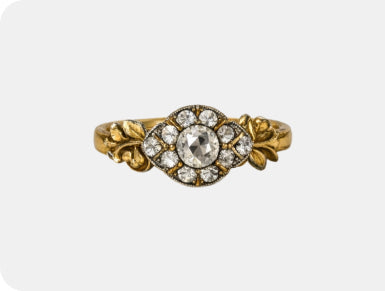
Georgian Era (1714–1837)
Georgian-inspired rings are rare and romantic, often featuring:
- Closed-back settings
- Rose-cut diamonds
- High-karat yellow gold
- Nature-inspired motifs such as leaves and bows
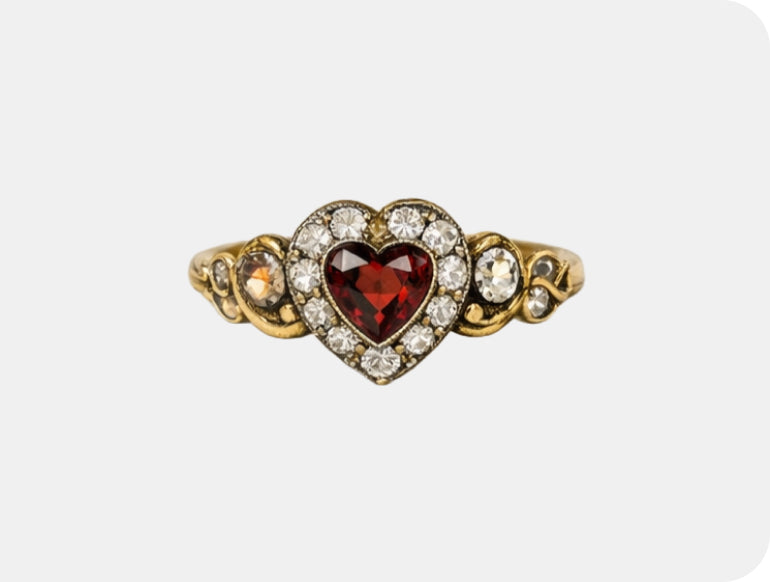
Victorian Era (1837–1901)
Victorian designs emphasize emotion and symbolism:
- Heart, serpent, and floral motifs
- Halo and cluster settings
- Old Mine Cut or Old European Cut diamonds
- Colored gemstones like garnet, opal, or turquoise
- Yellow or rose gold settings
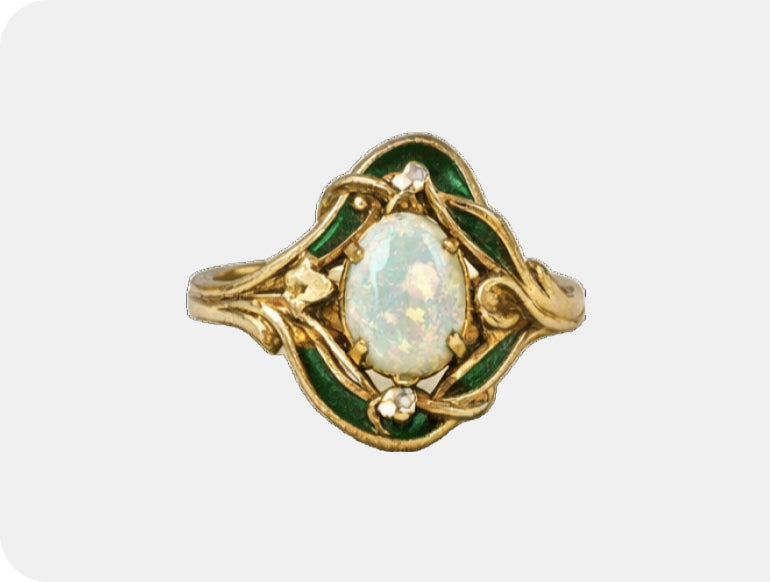
Art Nouveau Era (1890–1910)
Known for artistic expression and organic forms:
- Flowing lines and asymmetry
- Enamel accents
- Nature and feminine motifs
- Sculptural, expressive settings
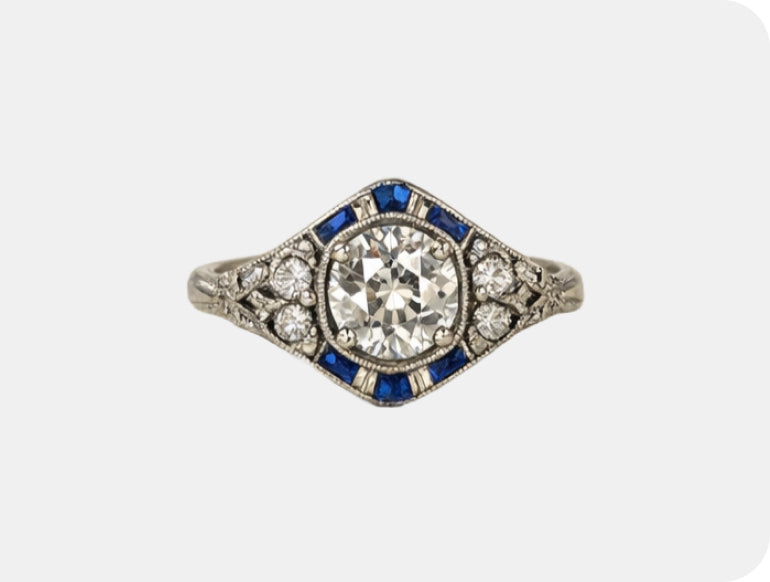
Edwardian Era (1901–1915)
Edwardian rings are light, elegant, and refined:
- Platinum settings
- Delicate filigree and milgrain
- Openwork designs
- Old European Cut diamonds
- Calibré sapphires as accents
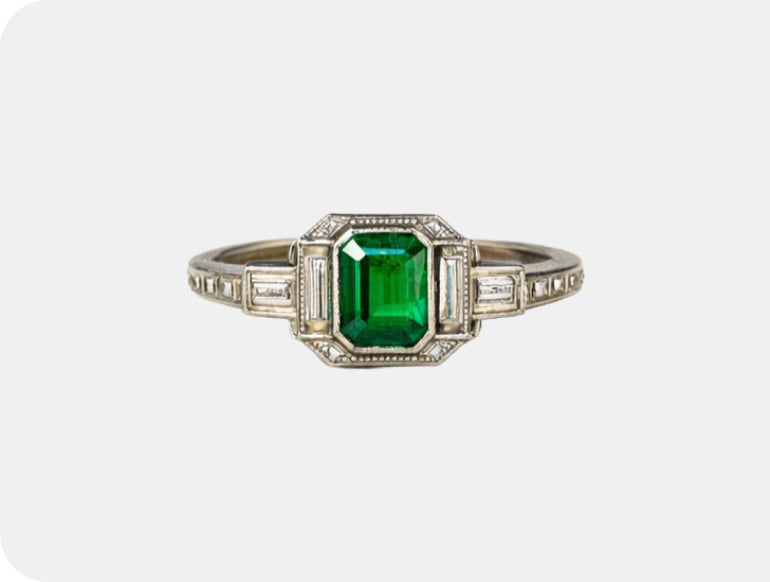
Art Deco Era (1920s–1930s)
Bold, architectural, and glamorous:
- Strong geometry and symmetry
- Emerald, Asscher, and baguette cuts
- Platinum or white gold
- Sapphire, onyx, or ruby accents
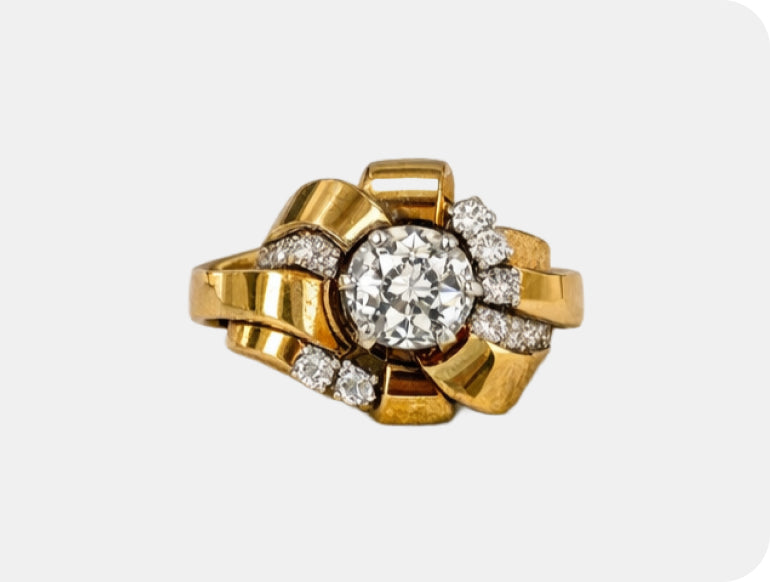
Retro & Mid-Century Eras (1940s–1960s)
Characterized by confidence and volume:
- Bold metalwork
- Two-tone gold
- Illusion settings
- Dramatic prongs and profiles
At DiamAura, many clients choose to blend elements from multiple eras — for example, pairing Edwardian filigree with an Art Deco center stone — to create a design that feels both authentic and uniquely personal.
How to Customize a Vintage Style Engagement Ring
Designing a vintage style engagement ring allows you to honor history while expressing your own story. At DiamAura, customization typically focuses on three key elements:
Choosing the Right Diamond Shape for a Vintage Style Ring
When it comes to vintage style engagement rings, diamond shape plays a more defining role than sheer size or brilliance. Many shapes associated with vintage rings originate from historical cutting traditions or were especially popular during specific design eras. Choosing the right shape helps instantly establish an old-world aesthetic.
Diamond shapes that align beautifully with vintage style include:
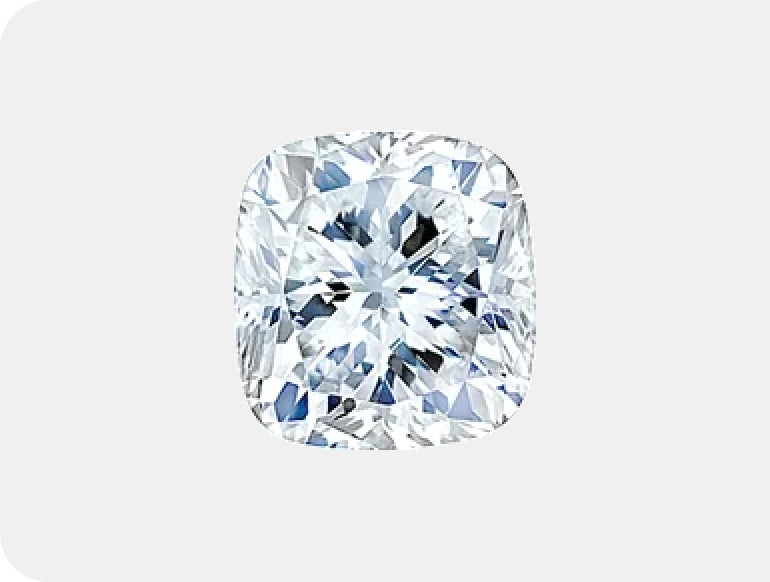
Cushion Shape
Soft corners and a pillow-like silhouette make cushion diamonds one of the most iconic shapes for vintage-inspired rings. Frequently seen in Victorian and early 20th-century designs, cushion shapes feel romantic and timeless, pairing especially well with engraved or halo settings.
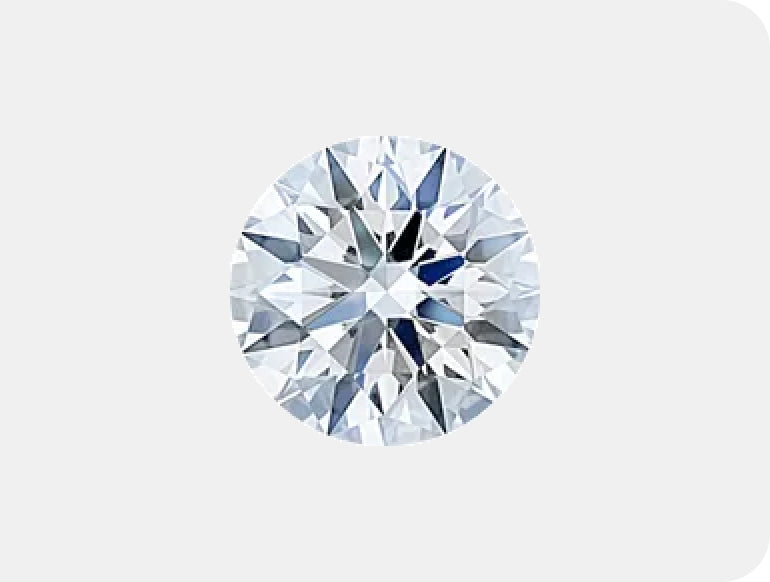
Round Shape (Antique Proportions)
While round diamonds are universally popular today, vintage-style rings often favor round stones with higher crowns and gentler facet patterns. When set with milgrain, filigree, or hand engraving, round diamonds take on a distinctly antique character.
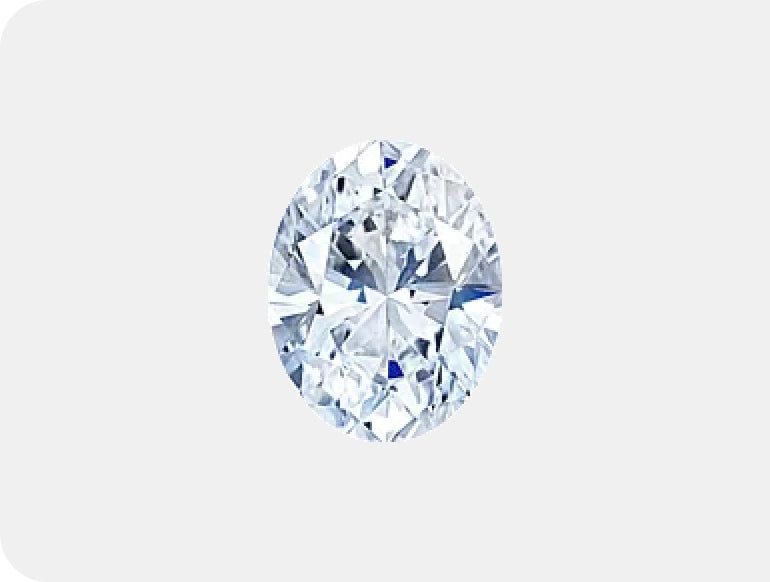
Oval Shape
Oval diamonds were admired in both Victorian and Edwardian eras for their elegant elongation. Their soft symmetry complements flowing metalwork, bezel settings, and delicate filigree details common in vintage designs.
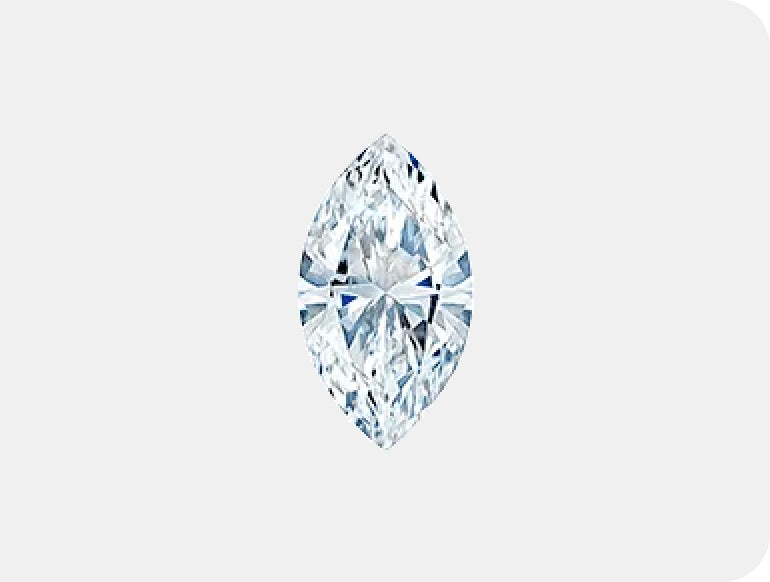
Marquise Shape
With origins tracing back to 18th-century European courts, the marquise shape is deeply rooted in vintage jewelry history. Its elongated form adds drama and refinement, making it especially suited to ornate or nature-inspired settings.
Pear Shape
Pear-shaped diamonds combine softness and structure, echoing the romantic sensibilities of antique jewelry. They work beautifully in vintage halos, bezel settings, or designs featuring subtle asymmetry.
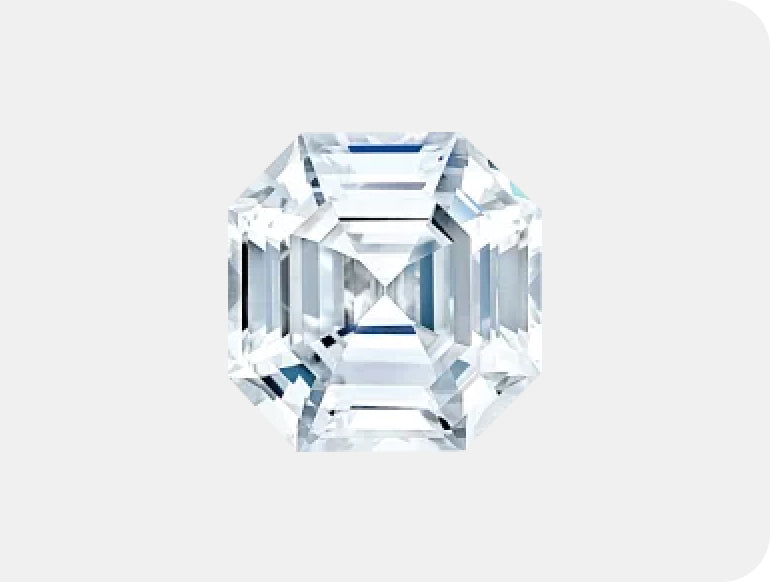
Emerald & Asscher Shapes
These step-cut shapes are strongly associated with the Art Deco era. Their clean lines, symmetry, and architectural feel make them ideal for vintage rings inspired by the 1920s and 1930s, especially when paired with geometric settings and refined metal details.
Rather than chasing maximum sparkle, vintage style engagement rings emphasize form, proportion, and harmony with the setting. Selecting a diamond shape with historical roots ensures the ring feels authentic, elegant, and timeless — perfectly aligned with vintage-inspired design.
Selecting the Setting
The setting defines the structure and personality of the ring. Vintage style settings are often recognized at a glance.
Popular options include:
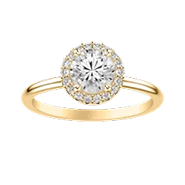
Halo settings, either floral or geometric, inspired by Victorian or Art Deco designs
Choose this setting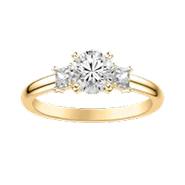
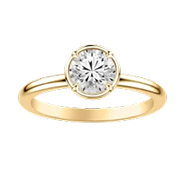
Your setting choice can subtly reference a specific era or combine influences for a more personalized result.
Choosing the Right Metal Color for a Vintage Style Engagement Ring
Metal color plays a key role in establishing a vintage look, as different eras favored distinct tones that shaped the character of their jewelry.
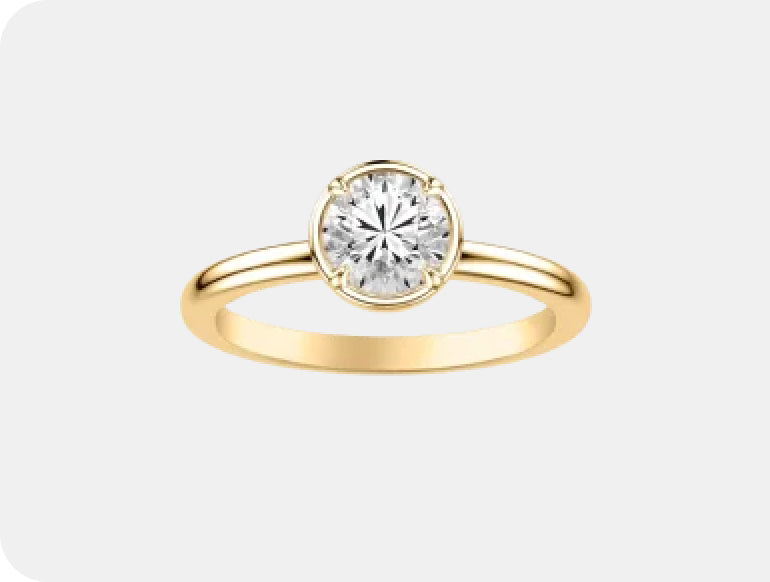
Yellow gold
Is one of the most traditional choices for vintage style engagement rings. Its warm tone was widely used in Georgian, Victorian, and Retro designs and enhances engraved details while creating an unmistakable antique feel.
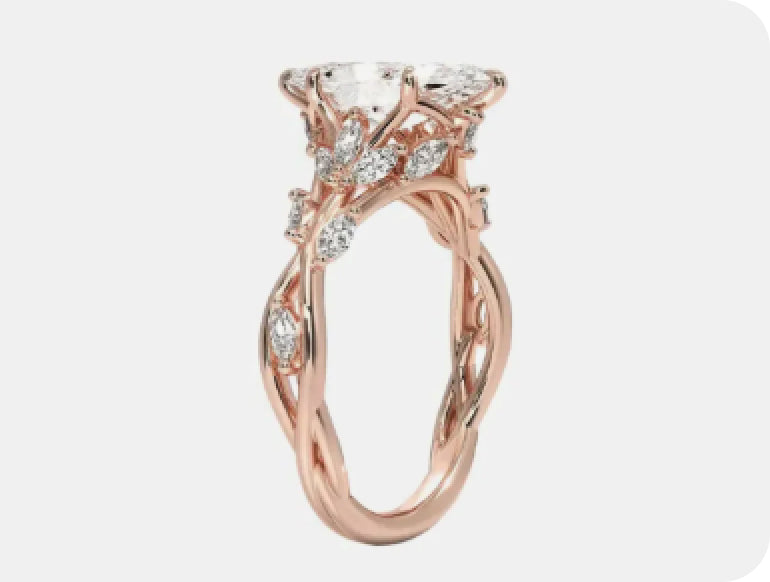
Rose gold
Offers a softer, romantic warmth that became popular in late Victorian and early 20th-century jewelry. Its subtle blush tone pairs naturally with delicate detailing and old-world silhouettes.
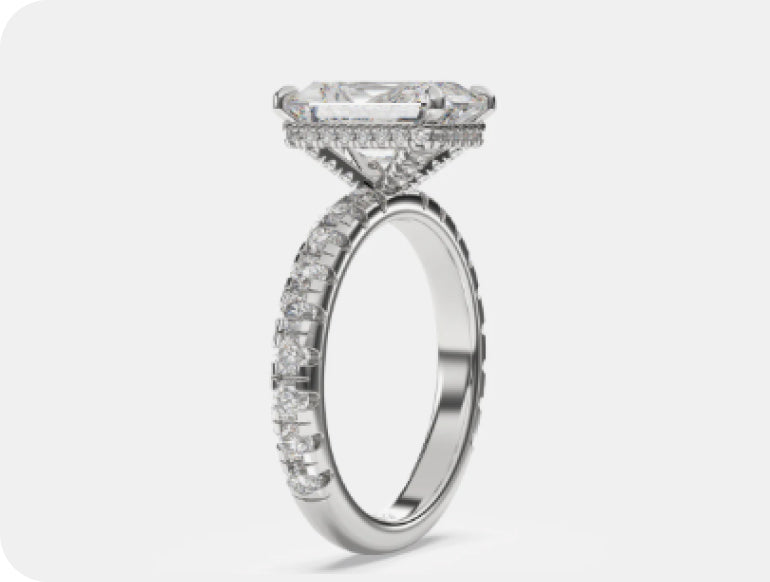
Platinum
Is closely associated with the Edwardian era. Its strength and naturally white color allowed for refined filigree and light, elegant settings that remain timeless and durable.
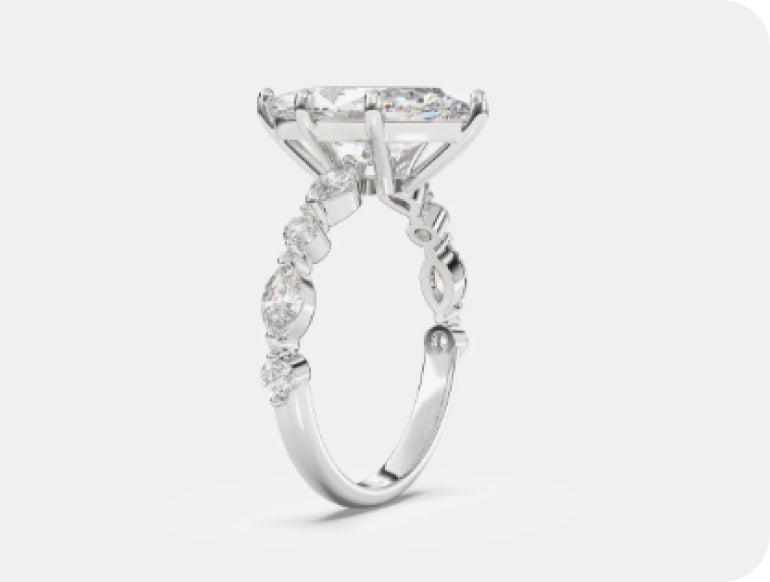
White gold
Gained popularity during the Art Deco era as a sleek alternative to platinum. Its clean appearance complements geometric designs and structured vintage-inspired settings.
Choosing a metal color that reflects your ring's historical inspiration helps create a design that feels authentic, balanced, and enduring.
Final Thoughts: Balancing Beauty, Budget, and Meaning
A vintage style engagement ring is as much about thoughtful choices as it is about aesthetics. When planning your design, consider:
Budget allocation
Decide whether to prioritize the center stone or intricate craftsmanship
Smart material choices
Lab-grown diamonds or antique-style cuts can offer exceptional value
Lifestyle considerations
Delicate filigree and high settings require more care
Long-term wearability
Consider how the ring will pair with a wedding band
With the right balance, a vintage style engagement ring can feel deeply personal, historically rich, and perfectly suited to modern life.
At DiamAura, we believe vintage inspiration isn't about replicating the past — it's about carrying its beauty forward, thoughtfully and responsibly, into the future.