Types of Gold

September 18, 2025

This guide provides a comprehensive look at how pure gold is transformed into the various stunning shades we see in jewelry today. By alloying 24K gold with different metals, jewelers can balance beauty, durability, and cost.

The Three Main Types of Gold

While all gold jewelry begins with pure gold, the "recipe" of added metals determines the final look and feel.

Yellow Gold
The traditional choice. It is alloyed with silver and copper to maintain its natural, warm glow while gaining enough strength for daily wear.

White Gold
A modern favorite. It is mixed with white metals like palladium, silver, or nickel. Most white gold is finished with rhodium plating to give it a bright, chrome-like shine.

Rose Gold
The romantic option. Its signature pink hue comes from a high copper content. The more copper used, the redder the gold appears.

Comparison Table: At a Glance

Feature White Gold Yellow Gold Rose Gold
Composition Gold + Nickel/Palladium + Rhodium Gold + Copper + Silver Gold + Copper
Durability High (Rhodium Adds a Layer) Medium (Softer Than Others) Very High (Copper is Tough)
Maintenance Requires re-plating (1–3 Years) Low (Polishing Only) Low (Polishing Only)
Best Skin Tone Cool / Fair Warm / Olive All / Neutral
Hypoallergenic Low (If Nickel is Present) High (Especially 18K+!) Medium (Due to copper)
Composition
White Gold Gold + Nickel/Palladium + Rhodium
Yellow Gold Gold + Copper + Silver
Rose Gold Gold + Copper
Durability
White Gold High (Rhodium Adds a Layer)
Yellow Gold Medium (Softer Than Others)
Rose Gold Very High (Copper is Tough)
Maintenance
White Gold Requires re-plating (1–3 Years)
Yellow Gold Low (Polishing Only)
Rose Gold Low (Polishing Only)
Best Skin Tone
White Gold Cool / Fair
Yellow Gold Warm / Olive
Rose Gold All / Neutral
Hypoallergenic
White Gold Low (If Nickel is Present)
Yellow Gold High (Especially 18K+!)
Rose Gold Medium (Due to copper)

What is White Gold

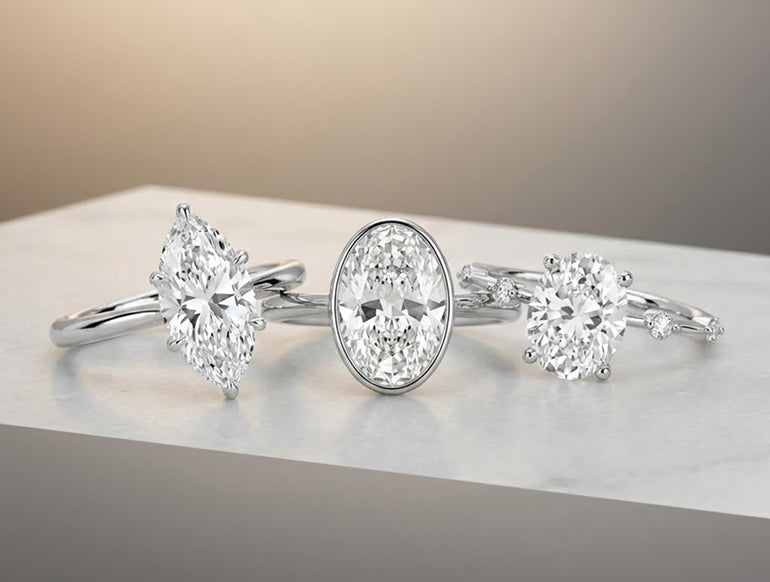
White gold is a sophisticated and versatile precious metal, beloved for its sleek, modern aesthetic. By blending the prestige of gold with the crisp look of silver-toned metals, it has become a staple in contemporary fine jewelry.

The Anatomy of White Gold

The Anatomy of White Gold

Because 24K gold is naturally yellow and very soft, white gold is created through a specific process of alloying and finishing.


-Composition : It is an alloy of pure gold and white metals like palladium, silver, or nickel.

-The Rhodium Finish: Almost all white gold jewelry is coated with rhodium (a rare metal from the platinum family). This provides that iconic mirror-like, "chrome" shine and adds a layer of scratch resistance.

Karat Breakdown:

14K White Gold: Contains roughly 58.3% pure gold. It is harder and more durable, making it the standard for engagement rings.

18K White Gold: Contains 75% pure gold. It is more valuable and prestigious but slightly softer than 14K.

Karat Breakdown:

Key Considerations

Feature Details
Appearance Bright, silvery-white. It enhances the "fire" and brilliance of diamonds.
Maintenance Requires rhodium re-plating every 1–5 years as the outer layer wears down to reveal a faint yellowish undertone.
Sensitivity If you have a nickel allergy, look for palladium-based white gold or ensure the rhodium plating is intact.
Weight Significantly lighter than platinum, making it comfortable for large earrings or heavy necklaces.
Appearance
Details Bright, silvery-white. It enhances the "fire" and brilliance of diamonds.
Maintenance
Details Requires rhodium re-plating every 1–5 years as the outer layer wears down to reveal a faint yellowish undertone.
Sensitivity
Details If you have a nickel allergy, look for palladium-based white gold or ensure the rhodium plating is intact.
Weight
Details Significantly lighter than platinum, making it comfortable for large earrings or heavy necklaces.

Why Choose White Gold?

White gold is the perfect middle ground for those who want the look of platinum without the higher price tag. Its neutral tone is incredibly forgiving, pairing beautifully with both colorless diamonds and vibrant gemstones like sapphires or emeralds. It remains a top choice for those with cool skin tones (pink or bluish undertones).

What is Yellow Gold

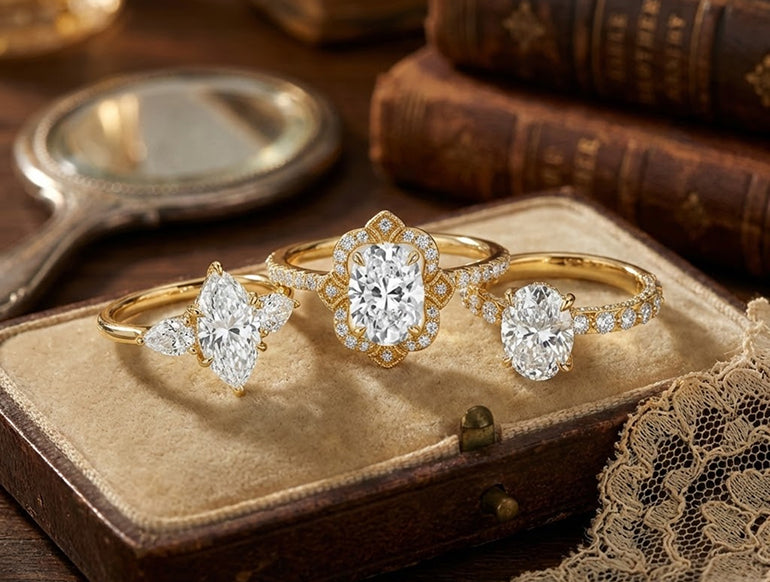
Yellow gold is the most traditional and natural-looking variation of the metal. Pure gold (24K) has a rich, warm yellow hue that has served as the gold standard for precious jewelry for millennia. By alloying it with other metals, jewelers maintain this classic appearance while providing the strength necessary for daily wear.

Yellow gold rings

The Composition of Yellow Gold

Yellow gold is an alloy created by mixing pure gold with copper and silver. The karat weight indicates the purity of the mixture:

- 18K Yellow Gold: Contains 75% pure gold. It offers a richer, deeper yellow color and is highly prized for its prestige.

- 14K Yellow Gold: Contains 58.3% pure gold. It is harder and more durable than 18K, making it the most popular choice for everyday jewelry like engagement rings.

Key Features & Comparison

Feature Details
Color & Appearance Offers a warm, radiant glow. The color becomes more intense at higher karat levels (18K is more "buttery" than 14K).
Durability Generally softer than white or rose gold. It is more prone to minor scratches and dents, especially at higher purity levels.
Maintenance Very low maintenance. It does not require re-plating. Periodic professional polishing or simple home cleaning is all that is needed.
Hypoallergenic High-karat yellow gold (18K+) is excellent for sensitive skin, as it contains fewer base-metal alloys that typically cause reactions.
Color & Appearance
Details Offers a warm, radiant glow. The color becomes more intense at higher karat levels (18K is more "buttery" than 14K).
Durability
Details Generally softer than white or rose gold. It is more prone to minor scratches and dents, especially at higher purity levels.
Maintenance
Details Very low maintenance. It does not require re-plating. Periodic professional polishing or simple home cleaning is all that is needed.
Hypoallergenic
Details High-karat yellow gold (18K+) is excellent for sensitive skin, as it contains fewer base-metal alloys that typically cause reactions.
Why Choose Yellow Gold?

Why Choose Yellow Gold?

Yellow gold is a timeless investment that complements warm skin tones exceptionally well. While white gold offers a modern, cool aesthetic, yellow gold carries a sense of heritage and tradition. It is particularly effective at showcasing colored gemstones like emeralds or rubies and is the easiest gold type to repair or resize over time.

Care & Handling

Because yellow gold is relatively soft, it is best to store it separately from harder gemstones (like diamonds) to avoid surface scratches. To maintain its luster at home, simply soak the piece in warm water with mild soap and gently clean it with a soft cloth.

Care & Handling

What is Rose Gold

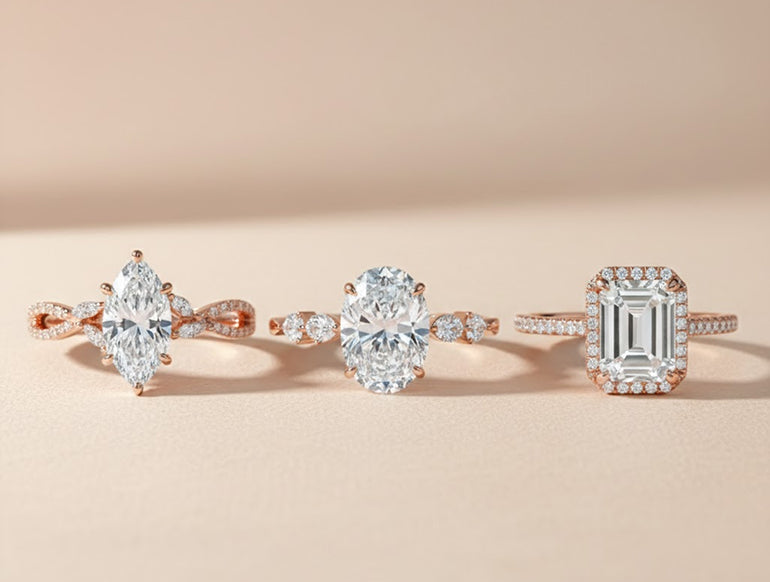
Rose gold is a romantic, blush-toned alternative that has gained significant popularity in recent years. Created by mixing pure gold with copper, this alloy produces a distinctive pink or reddish hue that is completely natural—there is no plating or artificial coloring applied to create the tone.

Rose gold ring

The Composition of Rose Gold

Rose gold is an alloy created by blending pure gold with copper and sometimes a small amount of silver.

- The Copper Ratio: The higher the copper content, the deeper the red or pink tone.

- 18K Rose Gold: Contains 75% pure gold. It typically has a softer, more subtle "peach" or champagne pink hue.

- 14K Rose Gold: Contains 58.3% pure gold. With more copper in the mix, it features a bolder, more vibrant rose color.

Core Features & Comparison

Feature Details
Color & Appearance Ranges from a subtle blush to deep red. Its warm glow is unique because it complements all skin tones beautifully.
Durability Superior Durability. Because copper is a very hard metal, rose gold is significantly tougher and more scratch-resistant than yellow gold.
Maintenance Low Maintenance. It requires no re-plating and retains its color forever. It may develop a sought-after vintage "patina" over many years.
Hypoallergenic Generally well-tolerated, though individuals with specific copper sensitivities should opt for higher karats or alternative metals.
Price Competitive and transparent. Priced similarly to yellow and white gold of the same karat, but offers the best long-term financial value.
Color & Appearance
Details Ranges from a subtle blush to deep red. Its warm glow is unique because it complements all skin tones beautifully.
Durability
Details Superior Durability. Because copper is a very hard metal, rose gold is significantly tougher and more scratch-resistant than yellow gold.
Maintenance
Details Low Maintenance. It requires no re-plating and retains its color forever. It may develop a sought-after vintage "patina" over many years.
Hypoallergenic
Details Generally well-tolerated, though individuals with specific copper sensitivities should opt for higher karats or alternative metals.
Price
Details Competitive and transparent. Priced similarly to yellow and white gold of the same karat, but offers the best long-term financial value.
Why Choose Rose Gold?

Why Choose Rose Gold?

Rose gold is the perfect choice for those seeking a romantic, vintage-inspired aesthetic. It offers a warm alternative to the cool look of white gold and a modern update to the tradition of yellow gold.

Because it is the most durable of the three main types, it is especially well-suited for engagement rings and bracelets that see work daily and prone to impact.

Price & Value (Integrated)

- Market Pricing: Rose gold is typically priced in line with white and yellow gold of the same karat weight. The cost is determined by the gold purity (18K vs 14K) and the craftsmanship of the piece rather than the color of the metal.

- Cost Efficiency: While copper is an inexpensive alloy, it provides the benefit of added strength. This makes rose gold a high-value choice as you get a more durable piece for the same price as softer yellow gold.

- Long-term Savings: Rose gold is the most budget-friendly option over time. Unlike white gold, which requires rhodium re-plating every 1–3 years (costing roughly HK$400–1,200 per visit), rose gold stays pink forever with only simple, low-cost polishing.

Price & Value (Integrated)
Choose Yellow Gold if...

Choose Yellow Gold if...

You love vintage or classic aesthetics. It is the easiest to maintain and generally the most hypoallergenic option in higher karats (18K).

Choose White Gold if...

Choose White Gold if...

You want your diamonds to look as white and brilliant as possible. It offers the high-end look of platinum but is lighter and more affordable.

Choose Rose Gold if...

Choose Rose Gold if...

You have an active lifestyle and need a durable ring. Its unique pinkish hue is incredibly trendy and consistently complements almost every skin tone beautifully.

In This Guide